Most bed bug treatments fail because the preparation stage is incomplete - harborage zones not accessed, hiding spots not cleared, adjacent spaces not treated. Show Me Pest Control's certified specialists in Coopersville run a full 4-stage protocol that accounts for every variable.
Why Treatments Succeed or Fail
These are the four pillars of a bed bug protocol that produces verified clearance - not just reduced activity.
We send a customized prep checklist and walk you through it by phone before the appointment. Incomplete preparation is the leading cause of treatment failure - our prep protocol eliminates that variable.
Thermal heat treatment raises every surface in the treatment zone above the lethal threshold (120 degrees Fahrenheit minimum) for a sustained period - effective on all life stages including eggs. Chemical protocol with IGR provides sustained residual protection for multi-unit and adjacent-unit infestations.
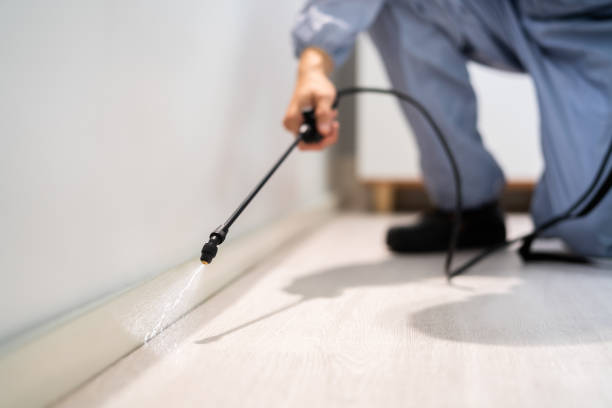
We do not just treat the mattress. Our inspection covers every harborage location in the treatment zone - outlet plates, baseboards, furniture joints, drawer interiors, headboard cavities, and the wall-floor seam behind all furniture.
Clearance is confirmed, not assumed. Your follow-up inspection reviews interceptor data, re-checks all harborage zones, and produces a clearance note you can keep for documentation.
Understanding the Problem
Bed bugs are uniquely difficult to eliminate for reasons that go beyond their small size. The egg stage is chemically resistant - contact insecticides that kill adult bed bugs on contact will not penetrate the eggshell. Nymphs in the pupal stage can survive months without feeding, lying dormant in harborage zones until conditions become favorable again. Adult bed bugs have developed behavioral resistance to pyrethroids in many populations, avoiding treated surfaces instead of crossing them. When a partial treatment disturbs a colony without eliminating it, the remaining population disperses into adjacent rooms, making a contained problem a whole-unit problem. Understanding this biology is the starting point for building a protocol that actually works in Coopersville.
Most clients who have experienced a failed bed bug treatment describe their preparation in the same way: they washed their bedding, bagged their clothing, and moved some furniture. What they did not do - because nobody told them to - was clear the floor perimeter entirely, remove outlet cover plates, empty every piece of bedroom furniture down to the interior surfaces, or vacuum the carpet edges along the baseboard line. These are the preparation steps that convert a treatment from a surface application into a protocol that reaches the harborage zones where the infestation actually lives. Our preparation checklist covers each of these steps in sequence. We walk through it with every client by phone before the appointment, not as a formality, but because incomplete preparation is the primary reason we see clients who have already been treated once by someone else.
Previous treatment did not clear the infestation in Coopersville?
Call +1-866-315-0243. We review the previous treatment approach and identify where the preparation or application failed before recommending a new protocol.
Chemical protocol with insect growth regulator technology addresses the life cycle at two points: the active-stage population (through direct contact residual) and the egg and pupal stages (through IGR that prevents hatching and development). The IGR component is why chemical protocol, applied correctly, provides a residual effect that extends weeks past the initial treatment - newly hatched nymphs encounter the residual and are prevented from reaching reproductive maturity. Chemical protocol is particularly well-suited for multi-unit properties and situations where heat equipment cannot be safely staged, such as studio apartments with extensive wall electronics or single rooms in homes where adjacent spaces cannot be heated simultaneously.
Airbnb properties and multi-unit housing in Coopersville require a different approach to bed bug treatment than single-family residential. For short-term rental operators, the priority is documentation as much as treatment: the Airbnb and VRBO damage claim processes require evidence of professional treatment, pre-treatment inspection records, and clearance documentation - all within specific timelines. Show Me Pest Control provides a complete documentation package with every short-term rental treatment, structured for damage claim submission. For multi-unit residential properties, the challenge is coordination: treating one unit while the infestation source is an adjacent unit produces a recurring problem for the treated tenant. Proper multi-unit protocol includes adjacent-unit inspection and, where management permits, coordinated treatment across affected units in a single scheduling window.
What We Provide
Property-specific preparation checklists reviewed by phone before the appointment. We document harborage zone locations and walk you through every preparation requirement - the step most services skip.
Call to Schedule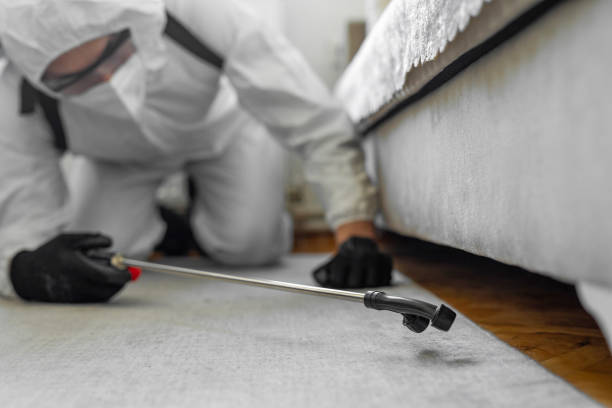
Thermal treatment is the only method that eliminates eggs without IGR - temperatures above 120F penetrate the eggshell where chemical contact cannot. Proper staging and temperature monitoring are what separate effective heat treatment from a failed one.
Call to Schedule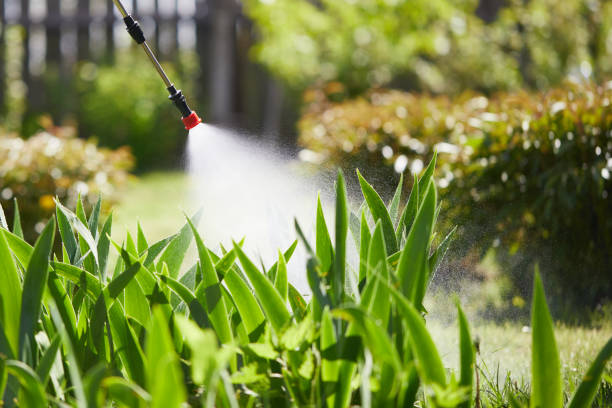
IGR-based chemical protocol stops the reproductive cycle at the egg and pupal stage while contact residual addresses the active population. Continued residual protection is what makes chemical protocol effective for adjacent-unit and multi-room infestations.
Call to Schedule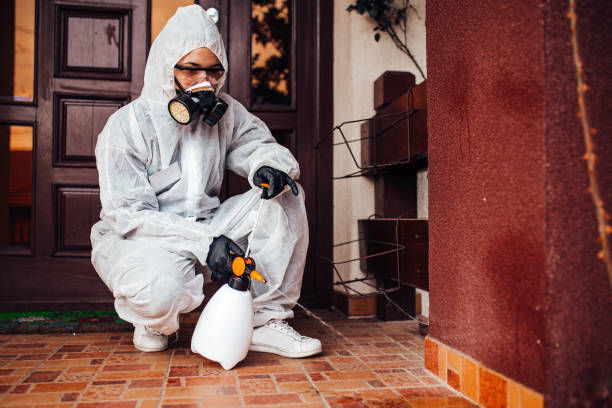
Adjacent unit inspection, coordinated treatment scheduling, and full documentation for property management and Airbnb damage claim submissions. We understand the documentation requirements of short-term rental platforms and structure every rental treatment to meet them.
Call to Schedule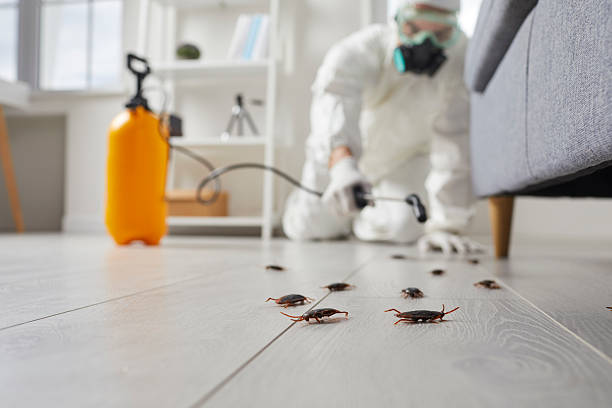
Bed bug interceptor devices placed under furniture legs provide data on residual population activity between treatment and the follow-up visit. Catch data is reviewed at follow-up and compared against the pre-treatment baseline to confirm population trend.
Call to Schedule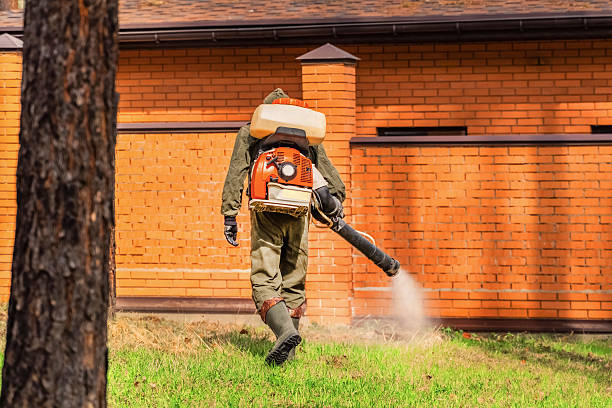
Post-treatment clearance documentation produced when all monitoring data confirms the infestation is eliminated. Written clearance note available for landlord notification, insurance records, or rental platform requirements.
Call to ScheduleThe Process
We gather information about your infestation, the rooms involved, any previous treatments, and your property type. This assessment shapes the protocol before a technician is dispatched.
Your property-specific preparation checklist is sent and reviewed by phone before the appointment. We confirm that every preparation step is completed - because a treatment that begins on an unprepared space is one that will need to be repeated.
Treatment begins with a pre-treatment harborage zone inspection. Heat or chemical protocol is applied to every identified harborage location - mattress seams, outlet plates, furniture joints, baseboards, and all adjacent surfaces. Interceptor devices are placed before the technician leaves.
The follow-up compares current interceptor data against the pre-treatment baseline. Clearance is issued when all monitoring confirms zero active population.
Client Outcomes in Coopersville
Two failed treatments from other companies before Show Me Pest Control. Both times the bedroom floor was never fully cleared and the outlets were never addressed. The Show Me Pest Control technician caught both issues during the prep review. Proper prep, single treatment, verified clearance at the follow-up. I wish I had called them first.
I run an Airbnb in Coopersville and a guest flagged bed bug evidence. I called Show Me Pest Control the same day. They treated within 48 hours, gave me a pre-treatment inspection report, a treatment record, and a post-treatment clearance note. The Airbnb damage claim was submitted with full documentation and processed without dispute. I was back to accepting bookings within two weeks.
After three weeks of not being able to sleep in my bedroom in Coopersville, Show Me Pest Control found what the prior treatment had missed in the first inspection: box spring interior and the outlet behind the headboard. Both were skipped in the original service. Single treatment by Show Me Pest Control with follow-up verification - cleared. That was the difference.
Common Questions
The most common reason bed bug treatments fail is incomplete preparation - harborage zones that were not cleared, floor perimeters that were not emptied, outlet plates that were not removed, or furniture that was not moved to provide treatment access. The second most common reason is a protocol mismatch: chemical treatment without IGR does not address eggs, and heat treatment without proper equipment staging does not penetrate blocked harborage zones. If your previous treatment involved a technician spraying surfaces and leaving without a preparation checklist review and a scheduled follow-up, those are the first places to look for why the treatment did not last.
In most cases, no. Mattress disposal is almost never necessary for a properly executed bed bug treatment. Heat treatment eliminates all life stages on a mattress in place. Chemical protocol treats the mattress seams and surface as part of the harborage zone inspection. After treatment, a quality mattress encasement seals the treated surface and allows for ongoing monitoring. The decision to discard a mattress may be appropriate if the mattress is heavily damaged or the client prefers replacement, but the treatment outcome does not depend on it. Disposing of a mattress without treating the rest of the room and harborage zones simply relocates an untreated infestation - the bugs in the box spring, headboard, and baseboards remain.
Preparation for bed bug treatment in Coopersville includes clearing floor perimeters, washing and bagging all bedding and clothing, emptying furniture, removing outlet covers near sleeping areas, and vacuuming mattress seams and carpet edges. Show Me Pest Control provides a property-specific checklist and reviews it with every client by phone before the appointment - call +1-866-315-0243 to schedule and we will walk through everything before the treatment date.
Timeline depends on the protocol. Heat treatment eliminates everything present in a single session. Chemical protocol with IGR works over 2-4 weeks as residual contacts newly hatched nymphs. The follow-up inspection at 2-3 weeks confirms clearance. Most single-unit infestations treated with full preparation clear after one treatment plus follow-up. Call +1-866-315-0243 for a specific timeline based on your situation.
The choice between heat treatment and chemical protocol in Coopersville depends on property type, infestation extent, and adjacency factors. Heat works best for contained single-room infestations where equipment can be properly staged. Chemical with IGR works best for multi-unit, multi-room, or adjacent-unit situations where residual protection matters. We assess each situation before recommending a protocol - no default answer that ignores your specific property.
The follow-up inspection at 2-3 weeks reviews interceptor catch data and re-inspects all harborage zones. Clearance is issued when both the interceptors and the visual inspection confirm zero active evidence. Show Me Pest Control provides a written clearance note when the data supports it - clearance is not declared on the day of treatment, it is confirmed at the follow-up.
Whether this is your first treatment or you have already been through a protocol that did not last, Show Me Pest Control's certified specialists in Coopersville start with the preparation assessment and end with verified clearance. Call now to schedule.
Call +1-866-315-0243 Now